
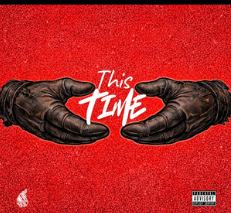
With his new single “This Time,” Vineyard Cries strips things down to something more direct, more confrontational, and arguably more personal than before. The cover art alone sets the tone: a stark red backdrop, textured and almost abrasive, framed by two black gloved hands reaching inward. At the center, the handwritten-style title This Time feels urgent — almost like a vow rather than a song name.
Red isn’t accidental. It signals intensity, warning, consequence, and emotion at its highest temperature. The hands feel symbolic — suspended in a moment of offering, conflict, or reckoning. It’s minimal, but not empty. It feels deliberate.
And that’s exactly how Vineyard Cries operates.
A Declaration, Not a Drift
“This Time” doesn’t read like experimentation. It reads like decision.
Where some artists return cautiously, testing sounds and gauging reactions, Vineyard Cries sounds decisive. The phrasing feels sharper. The delivery carries a sense of accountability — as if the title itself represents a line drawn between past missteps and future clarity.
The phrase “this time” implies repetition, correction, or redemption. It suggests that something has happened before — and that this moment is different. That thematic framing fits seamlessly with his larger artistic identity: belief, survival, moral conflict, endurance. But here, those ideas feel less abstract and more resolved.
Sonic Control and Emotional Temperature
Because Vineyard Cries produces and writes his own work, the emotional temperature of “This Time” feels tightly controlled. The beat doesn’t overpower the message — it reinforces it. There’s tension, but it’s contained. There’s urgency, but it isn’t chaotic.
That balance is what separates durability from noise.
Instead of chasing a viral structure, the song leans into atmosphere. The pacing allows reflection. The lines carry weight without being overcrowded. It’s not built to be scrolled past — it’s built to be absorbed.
Growth Without Losing Identity
What makes “This Time” significant isn’t just that it’s new — it’s that it feels evolved without abandoning the foundation that first made Vineyard Cries stand out. The lyricism remains intentional. The symbolism is still present. But there’s a noticeable tightening of focus.
If earlier releases felt exploratory, “This Time” feels settled.
It suggests an artist who has already wrestled with doubt privately and now steps forward publicly with clarity. The gloves on the cover may look defensive, but the title reads confident. That contrast mirrors the music itself — guarded but bold, reflective but firm.